
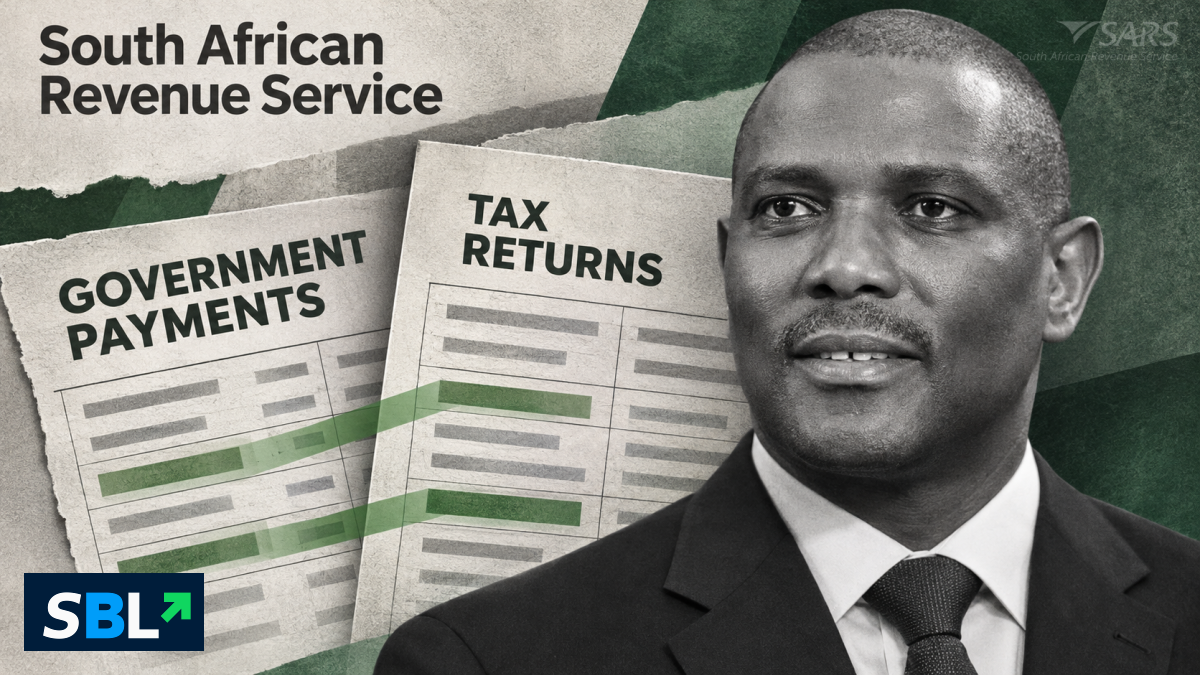
Government suppliers are being asked to explain or correct tax returns after the South African Revenue Service matched Treasury payment data with periods in which suppliers declared no value-added tax activity.
The Revenue Service said on 16 November that its initial analysis covered 14,142 nil-return tax periods and approximately R14.5 billion in National Treasury payments to suppliers registered on the Central Supplier Database.
Those numbers are warning signals, not findings that R14.5 billion was hidden from tax authorities. The Revenue Service explicitly said the presence of payment data does not automatically mean that a nil return is incorrect. It provides a basis to ask whether the declaration accurately reflected the supplier’s tax affairs.
What affected suppliers are being asked to do
The Revenue Service has sent targeted communications to suppliers whose records showed an apparent mismatch. It said taxpayers may need to correct a return, submit supporting documents, consider the Voluntary Disclosure Programme where it applies, or explain why the original declaration was accurate.
Some suppliers that did not satisfactorily respond or regularise their affairs have been identified for further engagement and escalation.
The Revenue Service also said it has withdrawn, and will continue withdrawing, access to Tax Compliance Status where a taxpayer was given a chance to respond but did not correct or satisfactorily explain a material discrepancy. Outstanding tax debt may also trigger stronger collection action and engagement with the government department that owes the supplier money.
This does not mean every supplier with a flagged period has lost its compliance status. The announcement describes action after an opportunity to respond and says the decision must follow section 256(6) of the Tax Administration Act and the applicable governance process.
Why a payment and a tax period may not match neatly
A government payment record and a value-added tax return answer different questions. Before assuming that either record is wrong, a supplier needs to establish which invoice was paid, when the supply took place, how it was treated for tax and which return period should contain it.
Timing differences, corrections, cancelled invoices or transactions treated differently under tax rules may require supporting evidence. They should not be guessed at after a Revenue Service message arrives.
SBL supplier response checklist
An affected business can organise its response around four evidence checks.
1. Authenticate the communication
Open the notice through the business’s normal Revenue Service electronic-filing profile or another verified Revenue Service channel. Do not send tax records or login details to a contact supplied only in an unsolicited message.
2. Match each payment to an invoice
Reconcile the Treasury payment information with the government department, invoice number, payment date, amount and bank receipt. Record any split payments, offsets or credit notes.
3. Trace the tax treatment
Identify the value-added tax period in which the transaction was declared, if applicable, and retain the return, invoice, ledger entry and explanation for any timing difference. A nil return should be supported by records showing why no amount was reportable in that period.
4. Respond before the matter escalates
Use the formal route stated in the verified communication. If a correction is needed, make it through the authorised process. If the original return was correct, submit a concise explanation and the documents that support it. Complex cases may require advice from a registered tax practitioner.
The new data-matching initiative matters beyond the suppliers contacted first. The Revenue Service says it will continue comparing government-payment information with nil returns. Businesses that supply the state should therefore reconcile payments to tax records routinely, rather than wait for a compliance-status problem to threaten future public-sector work.

Leave a Reply