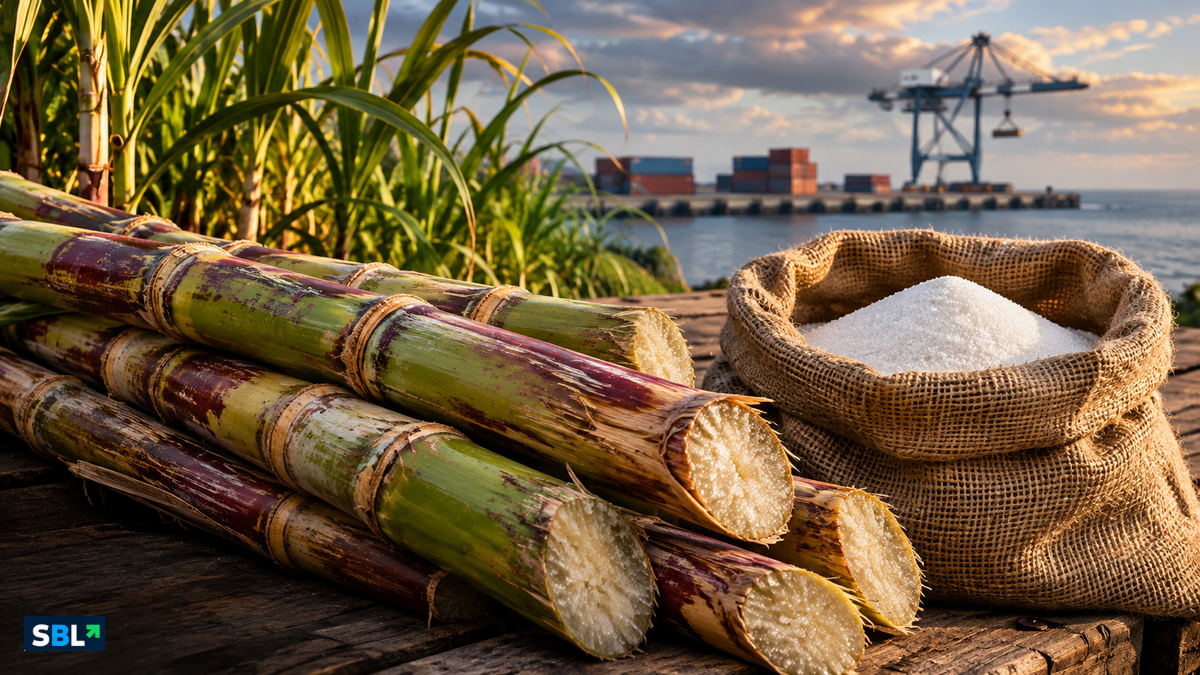
A proposal to protect South Africa’s sugar industry could have implications beyond the supermarket shelf. Government is considering tighter controls and quotas on deep-sea sugar imports while pursuing changes to support sugarcane-based bioethanol.
Deputy Minister of Trade, Industry and Competition Zuko Godlimpi outlined the approach to growers in Mzinti, Mpumalanga, according to SAnews’s report published on 2 November.
These are proposals and policy work in progress. The announcement does not set out an implemented import quota or establish a change in supermarket sugar prices.
Two policy aims, different tests
Import restrictions would seek to stabilise the domestic industry. Bioethanol would offer another potential use for cane, with government discussing fuel-blend requirements across departments. Godlimpi warned that additional demand could exceed local production unless sufficient feedstock is secured. He also identified the expansion of small-scale growers as important, SAnews reported.
The business question is how those aims would work together. A protected domestic market might provide growers with greater confidence, but a new fuel-related market would still need reliable supply and buyers prepared to commit. Neither objective makes the other automatic.
| Policy question | Why it matters |
|---|---|
| Which imports would be covered? | Defines the effect on existing sourcing arrangements. |
| When would measures start? | Allows purchasing and production plans to be adjusted. |
| How would cane supply grow? | Tests whether new demand can be served reliably. |
| Who would buy the bioethanol? | Turns a possible market into a commercial proposition. |
Why growers and mills are central
The broader concern predates this week’s proposal. In an April statement, the dtic described sugar as an important rural value chain, especially in KwaZulu-Natal and Mpumalanga, and warned that potential mill closures could affect growers, employment and related businesses.
That context explains why the debate reaches beyond how much sugar is imported. For a grower deciding whether to expand, the practical issues include a dependable route to market, the cost of producing additional cane and confidence that payment will follow delivery.
A bioethanol opportunity would need to be assessed on those terms. Announcing a possible outlet is an early step; a workable investment case would need detail on volumes, pricing, processing and delivery obligations.
No reliable shortcut to a price forecast
Godlimpi also pointed to energy and water efficiency as ways to improve competitiveness without depending on higher prices, according to SAnews.
For households, the announcement is therefore a policy development to watch rather than a basis for predicting the next shelf price. For food producers and other sugar buyers, the sensible question is how any eventual rules would affect their specific supply contracts.
The test of the proposal will be whether it produces a clearer, commercially workable path for growers and buyers. That requires more than an import headline: it requires published detail on the measures and a credible plan for the cane they would depend on.


Leave a Reply