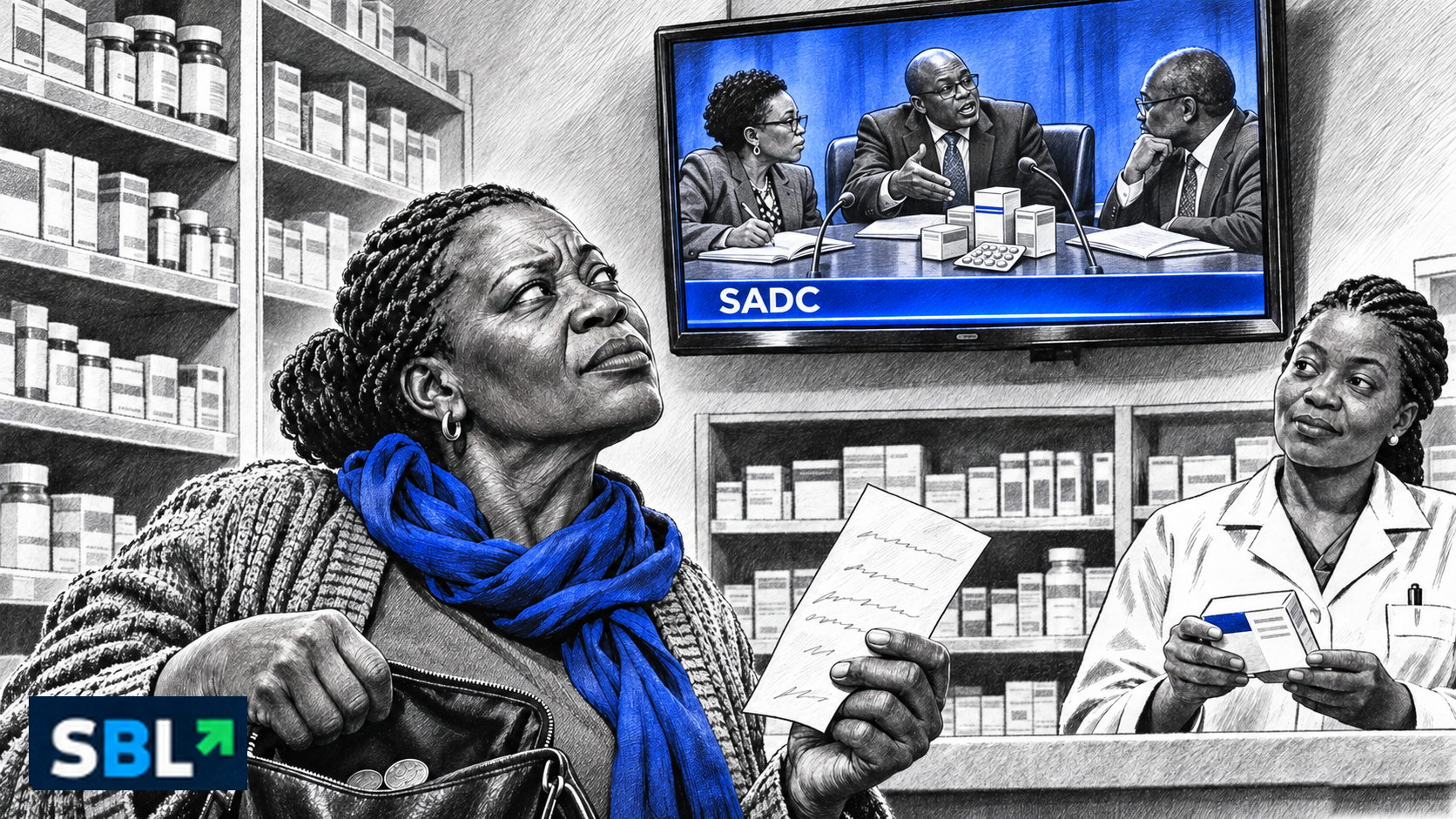
A plan being discussed in Durban could change how Southern Africa gets its medicines.
Southern Africa’s health ministers are considering a bigger role for joint medicine buying and regional manufacturing, with the aim of improving affordability and making essential supplies more reliable.
The proposals form part of the Joint Meeting of SADC Ministers of Health and Ministers Responsible for HIV/AIDS, running from 9 to 13 November 2026 at Durban’s Inkosi Albert Luthuli International Convention Centre.
According to the Department of Health’s 6 November advisory, ministers will discuss advancing the SADC Pharmaceutical Pooled Procurement Services. The intention is to combine the region’s purchasing power, strengthen supply security and give regional manufacturers more predictable demand.
A regional market for essential health products
The agenda also includes expanding regional production of medicines, vaccines and diagnostics. Ministers are expected to consider technology transfer and closer links between producers and markets, with the objective of reducing reliance on external suppliers.
For manufacturers and health-product suppliers, the significance is the proposed connection between buying together and producing more within the region. More predictable demand is one of the stated goals, rather than a confirmed order book or investment commitment.
These are matters for discussion. The announcements reviewed do not set out new supply contracts, agreed prices or a confirmed timetable for putting the procurement proposals into operation.
Funding and emergency readiness
The talks also address how countries can protect essential health programmes as development assistance declines and public budgets face pressure. HIV/AIDS prevention and treatment, access to new prevention technologies and malaria control are among the priorities identified by the department.
Emergency preparedness is another focus, including disease surveillance and coordinated responses across borders. The department’s advisory highlights the Ebola outbreak in the Democratic Republic of the Congo and climate-related risks to health services.
SADC’s programme places technical and ministerial discussions on 9–12 November, followed by a SADC Malaria Day commemoration on Friday, 13 November. The regional body says the meetings will review progress on existing health programmes and support cooperation on access to care, nutrition and sexual and reproductive health.
The practical test will be what ministers agree to implement after the talks. The opening announcements set out ambitions; they do not yet establish what patients will pay or when new supplies will reach clinics.
Sources: SAnews, 9 November 2026; Department of Health advisory, 6 November 2026; SADC meeting programme.
Leave a Reply