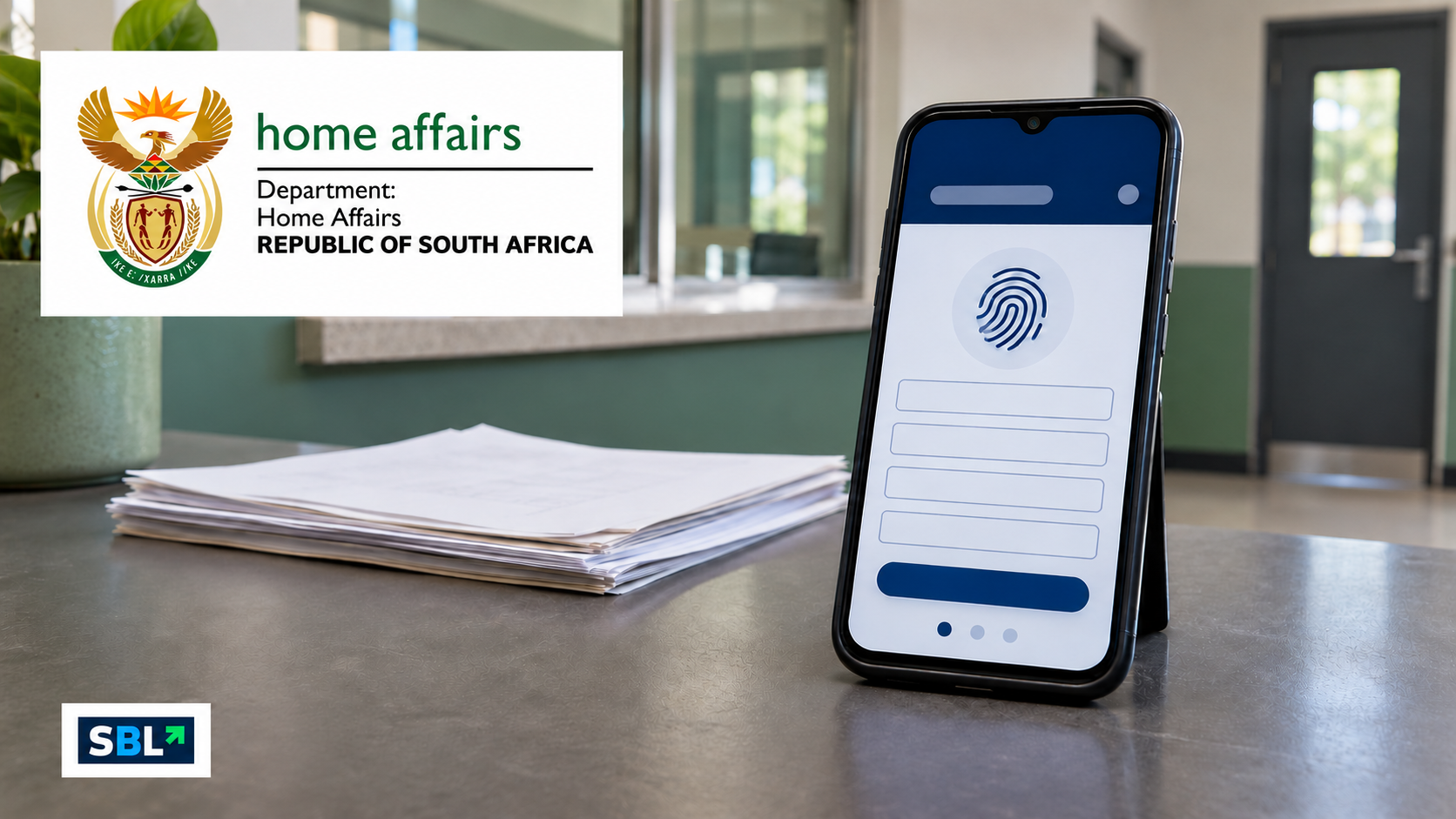
Home Affairs has started testing its digital asylum portal, with public intake planned after this weekend’s software release. The first phase will record that someone wants to seek asylum. It will not decide their claim or give them refugee status.
That distinction is the most important detail in the department’s 10 November announcement. A digital front door is being built, but the full application and appeals process is still to follow.
For people seeking protection, organisations helping them and South Africans following the immigration debate, the practical question is how quickly an online registration will lead to a properly considered decision.
What has changed since the promise?
In October, Home Affairs Minister Leon Schreiber set a 10 November target for the proposed biometric system. The new announcement confirms that the portal is operating for an initial batch of test cases. Public intake is expected only after the next routine software release, during the weekend of 14–15 November.
The statement does not give an exact public opening time. A test launch should therefore not be read as confirmation that everyone can already register.
This is a new administrative development following SBL’s earlier coverage of the separate asylum-detention hearing. Launching software is not a court ruling on anyone’s individual case.
What the first phase will do
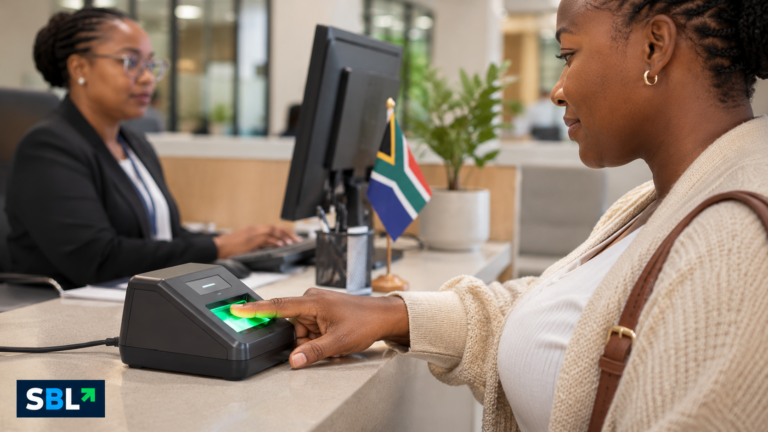
According to Home Affairs, people will submit personal information, facial biometrics and supporting documents to record their intention to apply. The department identifies the MyHomeAffairsOnline portal as the registration destination.
A receipt will confirm that intention. Home Affairs says it will not constitute a formal asylum application, confer asylum or refugee status, or grant citizenship. The formal process under South African law remains necessary.
People without a device or internet access will be able to receive assistance at Refugee Reception Offices, the department says. Its statement also says that registration does not provide blanket protection against immigration enforcement. A person’s own documents and circumstances still matter; this report is not individual legal advice.
The bigger promise is still ahead
The department plans later phases covering appointments, further biometric verification, checks against its records and digital handling of applications and appeals. It also plans to use machine learning and artificial intelligence to help tackle delays.
Those are promised capabilities, not demonstrated results of the first test phase. The launch statement supplies no measured new turnaround time, independently verified backlog reduction or public performance report for this portal.
There is also an important distinction between processing new claims and resolving old appeals. In SAnews’ account of the 11 October briefing, Schreiber said the main delays were at the appeals stage. An easier way to register new applicants will not, on its own, decide those outstanding appeals.
SBL analysis: the real test comes after registration
An online record could help Home Affairs see incoming demand and organise appointments before queues build. But moving the first step onto a screen does not automatically increase the number of cases officials can assess fairly and accurately.
The useful measures will be the waiting time from registration to an appointment, the time to a decision, and whether people who need assisted access can actually obtain it. Clear arrangements for correcting identity or document errors will matter too, particularly as more checks become automated.
For now, the next concrete milestone is confirmed public access after the scheduled release. The larger promise should be judged by completed cases and reliable access, not simply by how many online receipts the system produces.
Sources
Department of Home Affairs statement, 10 November 2026, and SAnews’ report of the launch; SAnews’ 11 October briefing report for background. Departmental plans and claims are attributed above. No successful public registration or new court outcome is asserted.
Image: Editorial illustration of digital registration. Not a screenshot of the Home Affairs portal or an actual applicant’s documents.

Leave a Reply