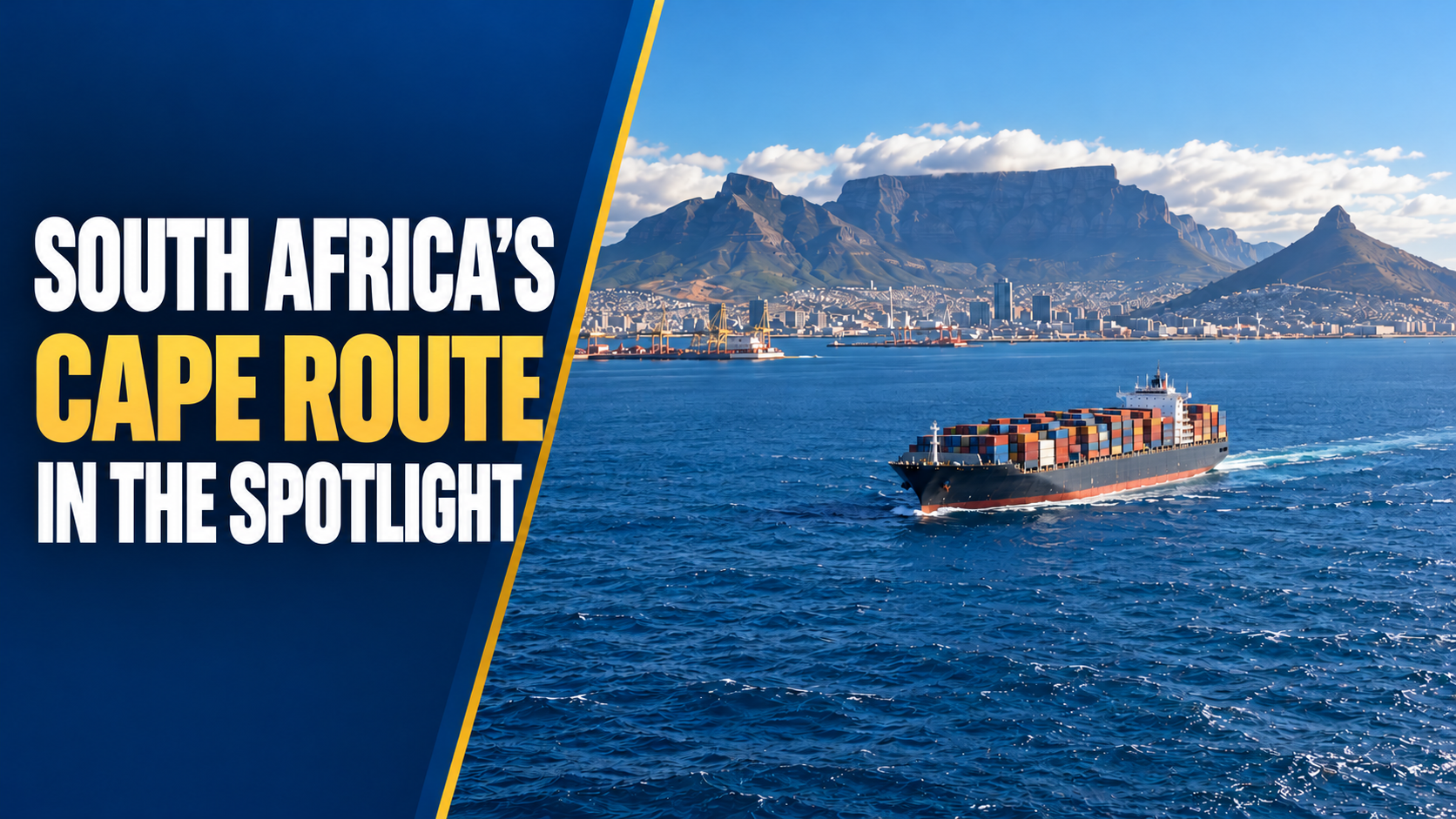
Disruption to international shipping has created opportunities along Africa’s coastline, but South Africa’s position beside the Cape shipping route does not guarantee a lasting windfall.
Reuters reported on Thursday, 15 October, that marine-fuel supplier Bunker Holding had seen growth in Africa as vessels diverted around the Cape of Good Hope. However, the company cautioned that this demand was driven by necessity and its durability remained uncertain.
For South Africa, the opportunity lies in supplying and servicing passing ships. The challenge is converting traffic offshore into business onshore.
More passing ships does not mean more port calls
A vessel travelling around southern Africa does not automatically dock at a South African port. The commercial benefit depends on whether operators choose local suppliers for fuel, provisions, repairs and other services.
South Africa already has investment in this market. In March, the Eastern Cape government reported that African Marine Solutions had invested more than R300 million in two South African-flagged tankers operating in Algoa Bay. It said the operations supported jobs and opportunities for local businesses. This is evidence of existing capacity, rather than a measure of new revenue generated by October’s shipping conditions.
Some services are returning to Suez
The picture is changing across individual shipping routes.
In its 7 October market update, Maersk said four additional Gemini services were transitioning through the Suez Canal instead of sailing around the Cape. Implementation would vary by service and voyage.
That makes a blanket claim that all shipping is moving towards South Africa misleading. Different operators and services can follow different routes at the same time.
South African importers face another cost consideration
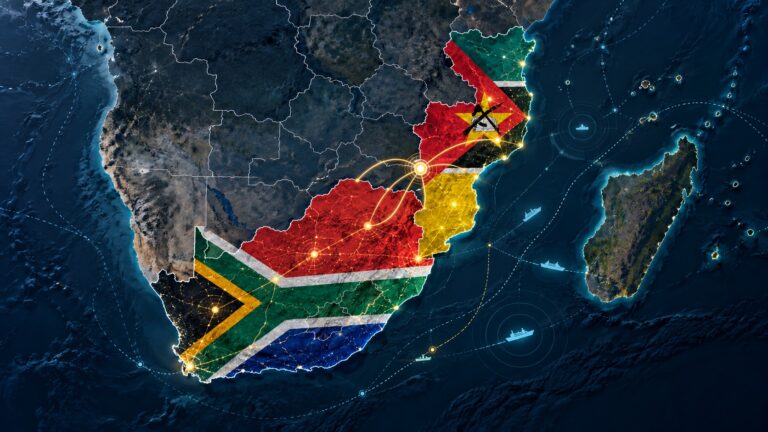
Separately, Maersk’s revised peak-season surcharge for specified Far East Asian shipments to South Africa and Mauritius takes effect on 15 October.
Its published notice lists US$250 for a 20-foot dry container and US$500 for a 40-foot dry container. The surcharge excludes SPOT bookings and has booking-specific application rules. Announced on 29 September, it should not be described as a charge introduced without warning today.
The potential effect on retail prices is less certain. Importers may absorb additional freight costs or pass some on, depending on their contracts, margins and competition. The notice alone cannot establish a particular increase for consumers.
The Cape shipping route: an opportunity to compete for
The practical question is how much value local businesses can capture from changing global routes.
Reliable service, competitive pricing and available capacity will matter. Geography puts South Africa beside an important shipping corridor; it does not, by itself, secure the customer.


Leave a Reply