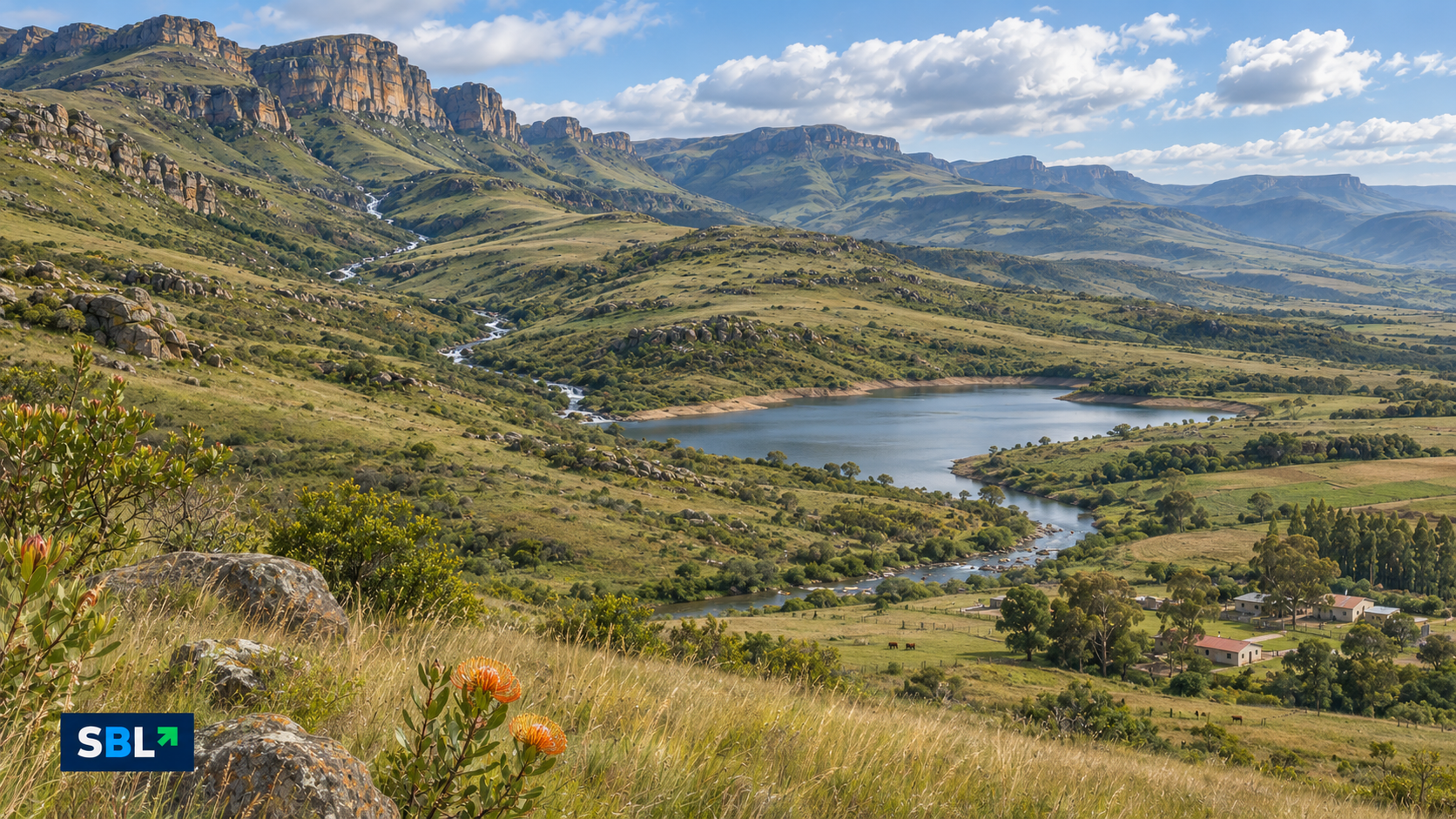
South Africa’s water repairs have an upstream problem: working pumps and pipes still depend on the condition of the landscapes feeding the rivers and dams.
A new WWF-backed plan, publicised on 10 November, sets out how to protect, manage and restore 22 strategic surface water source areas. According to the launch release, these areas supply roughly half of the country’s surface freshwater.
The practical question is where scarce money should go. Emergency pipe repairs remain essential. This plan makes the case for funding the catchments behind that infrastructure too, with different interventions for different places.
What is new in the plan?
Commissioned by WWF South Africa and prepared by Conservation Outcomes, the report builds on earlier mapping rather than announcing the discovery of new water supplies. It identifies priority areas within each landscape and matches them to possible protection, management and restoration work.
The report covers surface-water source areas, not groundwater source areas. It ranks smaller catchments until approximately half of each source area is prioritised. That is a way to focus action, not a claim that the remaining land has no value.
- Protect: secure important land through options including private, corporate and community stewardship.
- Manage: improve land and water practices on farms, forestry land and communal rangelands.
- Restore: remove invasive plants, repair erosion and rehabilitate wetlands and riverbanks.
Why the answer changes by region
In the Boland, the report links mountain catchments to Cape Town’s water supply, surrounding towns and irrigated fruit and wine production. Its leading intervention is landscape restoration, including fire management, invasive-plant clearing and rehabilitation. The economic connection is direct: the same catchments serve households and water-dependent businesses.
For the Enkangala Grasslands, spanning parts of Mpumalanga and KwaZulu-Natal around places including Wakkerstroom, the emphasis is on expanding private and communal stewardship. The plan highlights the Bivane Dam catchment and support for sustainable rangeland management.
These examples matter because a single national instruction to “protect water” does not tell a municipality, landowner or funder what to do on a particular property. The report’s maps are intended to make that choice more specific.
A plan is not a funded repair programme
The report provides indicative intervention costs, while warning that actual costs will vary. Its implementation guide ends with developing a project proposal for a funder or donor. Identifying an opportunity therefore does not mean its funding has been secured or the work has started.
Nor does this report establish when an interrupted municipal supply will return. A catchment-restoration project and an urgent repair to a broken water main address different parts of the same supply system.
The test for households and businesses
SBL analysis: The useful follow-up is whether these mapped priorities become named projects with responsible partners, committed budgets and measurable results. For a food producer, farmer or municipality, the relevant question is which source area supports its supply and whether the most important upstream work is actually being maintained.
Households should not have to choose between functioning pipes and healthy catchments. South Africa needs both. This plan gives decision-makers a more detailed starting point for the upstream work; delivery will determine whether that translates into more secure water.


Leave a Reply