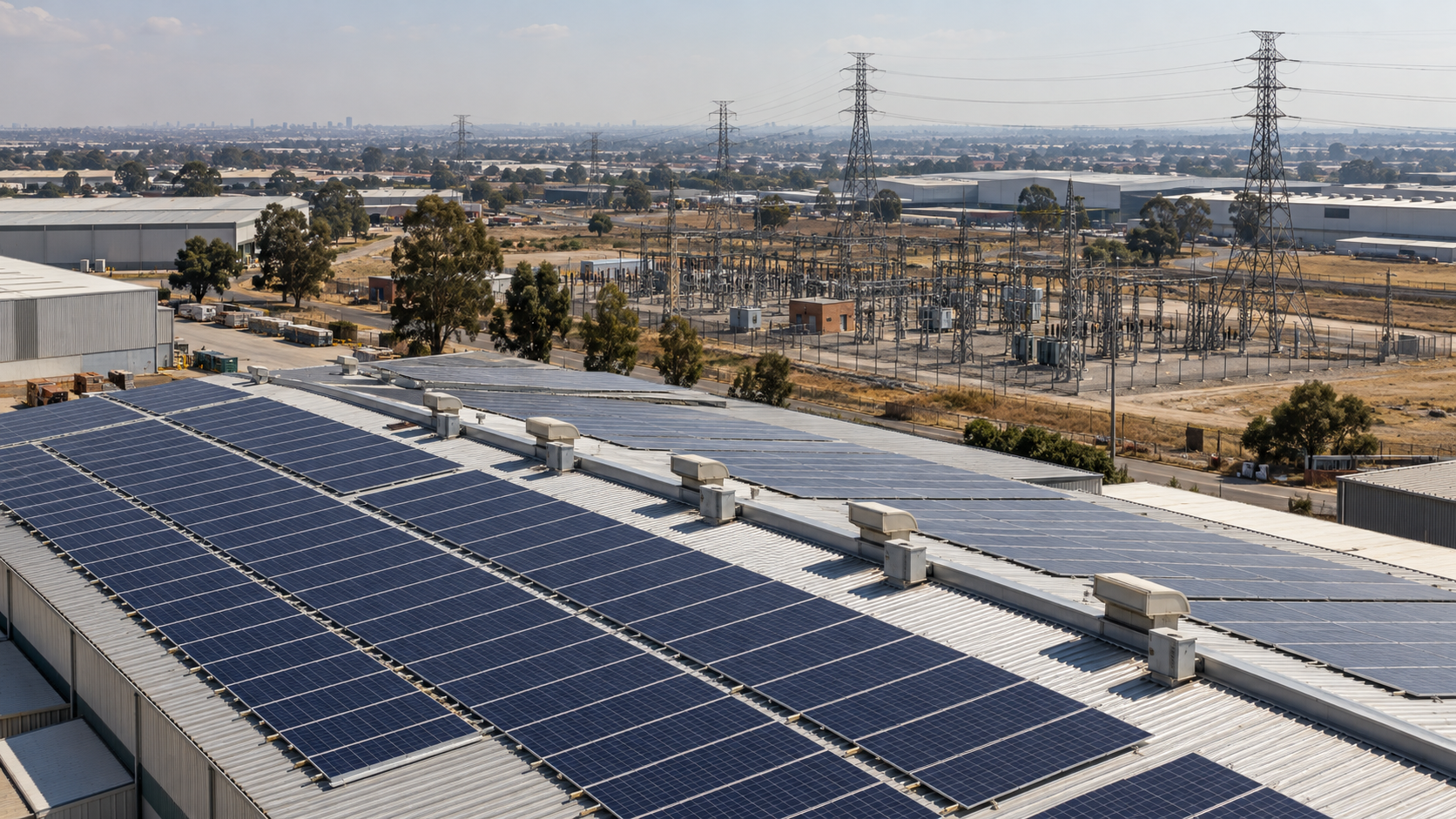
Ekurhuleni has received national approval to procure up to 2,400 megawatts of electricity from independent power producers, a step the city says could attract R6.2 billion in infrastructure investment.
Electricity and Energy Minister Kgosientsho Ramokgopa announced the approval alongside Ekurhuleni Mayor Nkosindiphile Xhakaza. The ministerial determination was issued under Section 34 of the Electricity Regulation Act.
What the plan includes
The proposed supply mix is broad. It includes 1,237MW of solar photovoltaic capacity, of which 1,137MW would come from embedded generation. Natural gas would contribute 780MW, including 535MW that could be wheeled through the grid.
A further 183MW is planned from waste-to-energy projects, while 200MW has been allocated to newer or innovative technologies. The final mix will depend on procurement outcomes, project approvals and the ability of developers to deliver the proposed plants.
Why Ekurhuleni wants more supply options
Large municipalities are trying to reduce their exposure to electricity shortages, rising bulk power costs and ageing local networks. Ekurhuleni is one of South Africa’s main industrial centres, so reliable electricity affects factories, logistics businesses, commercial property and household services.
Private procurement can give a municipality more than one source of electricity. It can also support local generation closer to major users. That does not mean Eskom will disappear from the city’s supply mix, nor does it remove the need to maintain municipal substations, transformers and distribution lines.
Projected savings need context
The city estimates that the programme could produce savings of about R36 billion over 20 years. It also says residents could save as much as 31% per unit of electricity.
Those figures are projections, not guaranteed tariff reductions. The eventual cost will depend on bid prices, financing, grid charges, construction schedules, exchange rates and the terms of the power purchase agreements. Municipal tariffs also include network and service costs that are separate from the price of generating electricity.
What happens next
The determination gives Ekurhuleni authority to proceed with procurement, but it does not place 2,400MW on the grid immediately. The city must still run competitive processes, evaluate bidders, conclude agreements and make sure projects can connect safely to the network.
Environmental approvals, land access, financing and grid capacity can all affect delivery dates. Residents and businesses should therefore expect a programme that develops in stages rather than a single switch-on date.
What to watch
- When Ekurhuleni publishes its first requests for proposals.
- Whether bid prices support the city’s savings estimates.
- How much new capacity is built inside the metro and how much is wheeled from elsewhere.
- What upgrades are required on the municipal distribution network.
- How the city reports procurement, project milestones and contract performance.
The bottom line
The approval is a significant step towards a more diverse electricity supply for Ekurhuleni. The real test will be whether transparent procurement turns the 2,400MW plan into reliable power at a competitive cost.
Source: South African Government News Agency.


[…] 01Ekurhuleni cleared to procure 2,400MW from private producers […]