
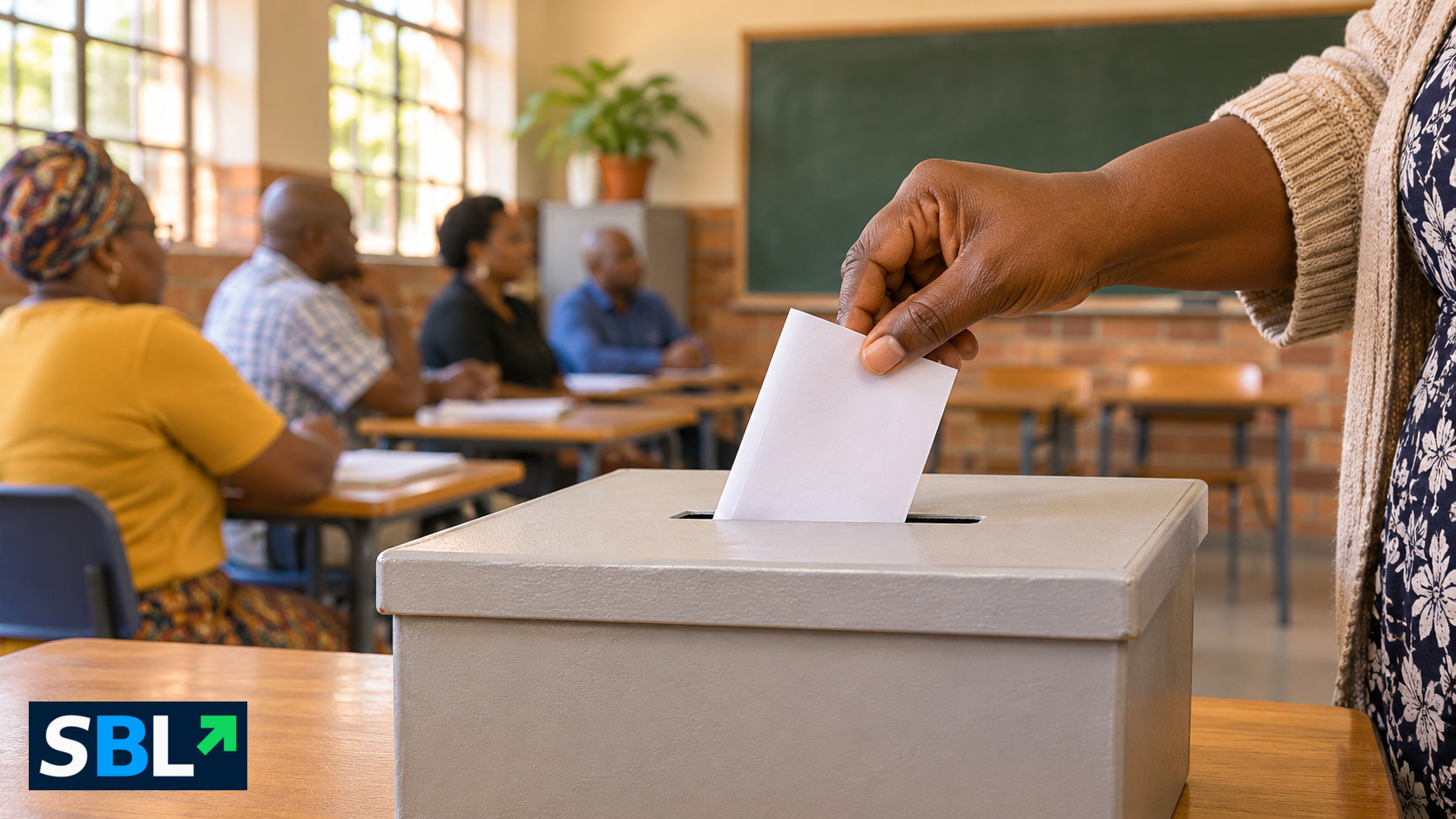
Parents will elect new school governing bodies in March 2027. The dates are now formally announced, but the vote is about more than committee seats: it chooses the people who help oversee a public school’s money and priorities.
Basic Education Minister Siviwe Gwarube’s notice published on 13 November 2026 sets the election period from 1 to 31 March 2027. Newly elected governing bodies assume their responsibilities when their members are declared freely and fairly elected.
This is a national election window, not a single voting day for every school. Parents should get their own school’s nomination and voting arrangements rather than assume they can arrive on 31 March.
Why the vote matters to your household
A school governing body, commonly called an SGB, is not simply a fundraising committee. The Department of Basic Education’s guidance describes responsibilities that include school policies, supporting staff and helping manage school property.
Its financial role matters whether a school charges fees or not. Under section 38 of the South African Schools Act, as amended, the governing body prepares the annual budget. That budget must go to a general meeting of parents, called with at least 30 days’ notice, for approval by a majority of parents present and voting.
At fee-charging public schools, section 39 also requires a parent-meeting resolution for school fees. Electing the governing body does not replace parents’ separate role in those decisions.
Who handles what?
Under sections 16 and 16A of the Schools Act, the governing body governs; the principal manages the school professionally under the provincial Head of Department. Curriculum delivery and staff management are principal responsibilities. SBL analysis: judge candidates on oversight and accountability, not promises to take over teaching.
Two meetings, two different decisions
- Governing-body election: choose the representatives who will help govern the school. The national window is March 2027; confirm the school’s own arrangements.
- Budget and fees meeting: consider the proposed finances and, where applicable, school fees. Do not wait for the March election to read or question a budget notice received before then.
Your next step: a guide for parents
Choose a question below. Tap or click its heading to open the steps. With a keyboard, use Tab to reach a heading and Enter or Space to open it.
National election window: 1–31 March 2027. Your school’s voting date and nomination arrangements must be confirmed separately.
I want to vote: open the steps
- Ask the school where it will publish election notices and confirm it has your current contact details.
- Get the school’s actual voting date, venue and arrangements. The national window is not an invitation to arrive on any day in March.
- Confirm voting eligibility and any requirements with the school or provincial education department before attending.
I may want to stand: open the steps
- Request the school’s nomination notice and eligibility requirements. Friday’s national notice does not supply these school-specific details.
- Ask about the role, meeting commitments and nomination deadline before deciding.
- Prepare to explain how you would scrutinise spending, communicate with parents and handle conflicts of interest.
I want a say on budgets or fees: open the steps
- Watch for the separate parent budget-meeting notice. The Schools Act requires at least 30 days’ notice for that meeting.
- Read the proposed finances and prepare your questions. At fee-charging public schools, the fees resolution is also a parent-meeting decision.
- Do not wait for the March election if a budget meeting is scheduled before it. Electing representatives and considering the budget are different decisions.
SBL practical guidance based on the official notice and Schools Act linked above. These are suggested preparation steps, not additional legal requirements or a confirmation that a particular person may vote or stand. No information is collected or saved by this guide.
What to ask before choosing a representative
SBL’s practical checklist: look for candidates who can explain how they will scrutinise spending, communicate with parents and handle conflicts of interest. Ask how families will be told about meeting dates and financial decisions, not just what a candidate promises to improve.
- Does the school have your current contact details so election notices reach you?
- Where will nomination requirements, dates and voting arrangements be published?
- How will candidates report back to parents between meetings?
- What information will parents receive before the next budget meeting?
These are questions for preparation, not newly imposed requirements in Friday’s notice. Detailed procedures and eligibility should be checked with the school or provincial education department.
What changed, and what did not
The March 2027 cycle was already mentioned in the department’s June 2025 briefing on governing-body functionality. The fresh development is the formal 1–31 March election period and the point at which newly elected bodies take responsibility. The notice does not set a school-fee increase, announce individual school dates or guarantee better school performance.
SBL bottom line: put the election on next year’s calendar, but pay attention to school budgets now. Voting for representatives and taking part in financial decisions are separate ways for parents to have a say.
Sources checked 14 November 2026: Department of Basic Education election notice dated 13 November 2026; departmental guidance; the department’s consolidated Schools Act, updated through 24 December 2024. The official notice and the full gazette copy carry inconsistent gazette numbering, but their election dates and substantive wording match. AI-assisted editorial illustration, not a photograph of an actual election.



Leave a Reply