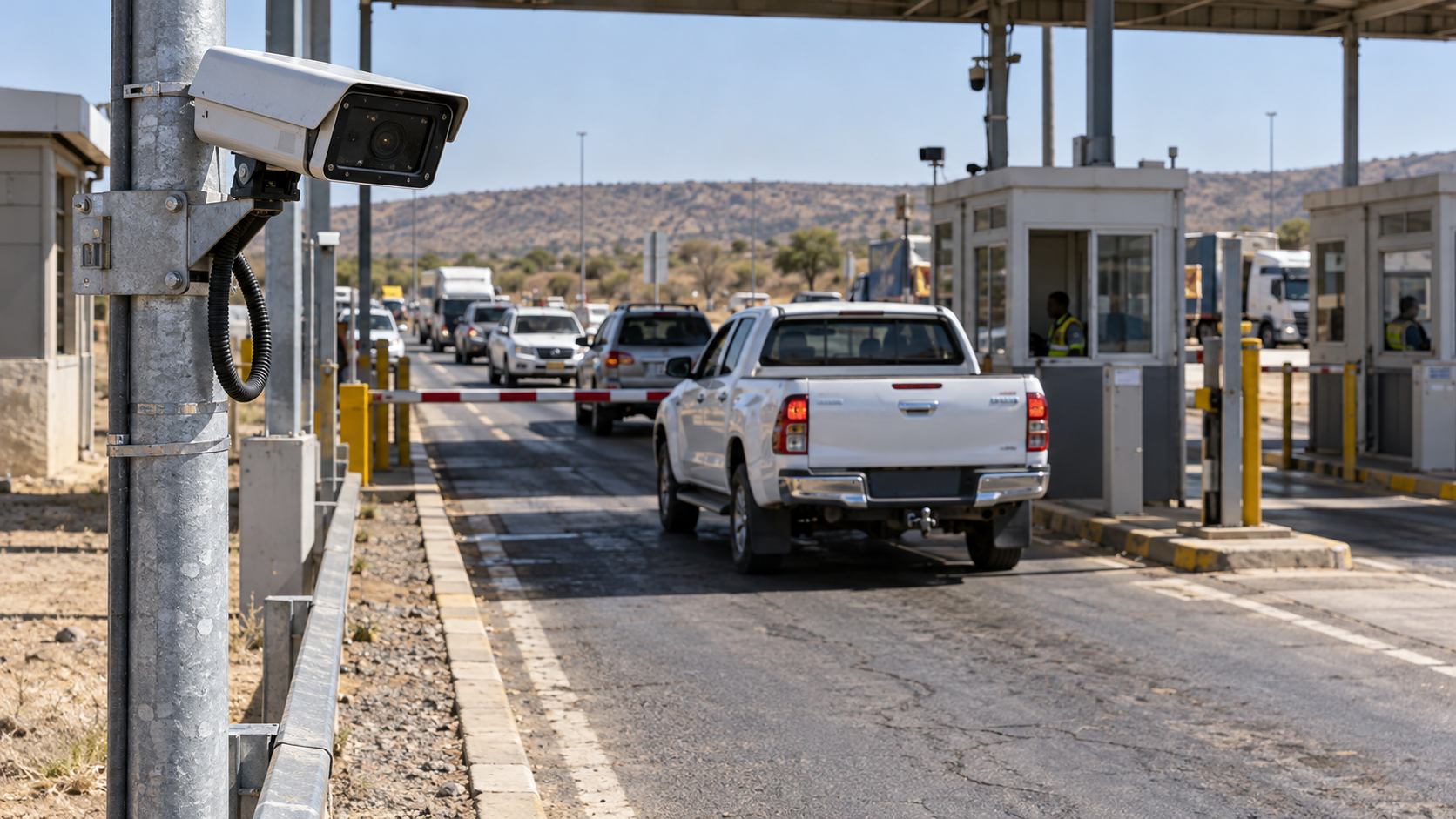
A border vehicle screening system has helped authorities recover 83 vehicles valued at R46.6 million during its first six months of operation, according to the Border Management Authority.
The Vehicle Targeting System, or VTS, is now operating at six ports of entry. It uses number-plate cameras and document checks to identify vehicles that may be stolen, fraudulently registered or taken across the border without a finance company’s permission.
Where the system is operating
The BMA introduced the system at Maseru Bridge, Lebombo and Vioolsdrif on 1 April 2026. Beitbridge and Ficksburg were added in August, followed by Caledonspoort at the end of September.
Cameras monitor vehicles travelling in both directions and can read registration plates during the day and at night. The number is checked against information that may flag a stolen vehicle, a cloned plate, false ownership documents or an outstanding finance concern.
How a vehicle is checked
When the system raises an alert, border guards and supervisors receive the information within seconds. An officer can then scan the barcode on the licence disc, photograph the number plate and verify the vehicle identification number.
The additional checks are important because a registration plate can be copied or changed. The licence disc, ownership records and vehicle identification number help officers establish whether the vehicle and its documents belong together.
What authorities recovered
The 83 recoveries include seven vehicles reported stolen, eight linked to falsified ownership documents and eight carrying cloned registration details. Authorities also identified 27 cases involving false bank letters.
A further 33 financed vehicles were recovered, settled or returned after the finance provider became involved. The BMA says the system also stopped 1,817 vehicles during 2026 because drivers did not have written consent from the finance house to take them across the border. Those vehicles were estimated to be worth R636 million.
Why bank consent matters
A vehicle bought under a finance agreement usually remains subject to the lender’s rights until it has been paid off. Crossing an international border without the required permission can breach the agreement and create a risk that the vehicle will not be recovered if it is sold or abandoned elsewhere.
Drivers planning a cross-border trip should confirm the requirements with their bank before travelling. A letter should be current, verifiable and consistent with the driver’s identity and the vehicle’s details.
Compliance is improving slowly
The BMA says the share of drivers arriving with valid border letters rose from 23.7% to 27.9%. Maseru Bridge improved from 13.2% to 30%, while Lebombo increased from 23.4% to 37.9%.
The figures still suggest that many travellers are reaching border posts without the correct documents. That can cause delays even where there is no evidence of theft or fraud.
Before taking a financed vehicle across the border
- Request written permission from the finance provider well before the trip.
- Check whether the destination country requires additional insurance or authorisation.
- Carry the original or officially accepted versions of the required documents.
- Make sure the registration number, VIN and personal details match across all records.
- Allow extra time for verification at the border.
The bottom line
The recovery figures show how automated screening can help border officers identify high-risk vehicles quickly. For ordinary travellers, the message is simpler: correct and verifiable paperwork is now more important than ever.
Source: South African Government News Agency.
Leave a Reply